Houseplants for a Healthier Home
Houseplants do more than decorate your space — they actively contribute to a healthier home environment.
Introducing plants into your home is one of the easiest ways to add a touch of nature and colour to your decor. But did you know that some houseplants do more than just look pretty? Many varieties of houseplant are also known for their air-purifying qualities, and some can also help you save on dusting. Here are three plants that naturally collect dust from the air.
Peace lilies, spider plants, rubber plants, and bamboo palms are among the most effective houseplants for reducing dust and improving indoor air quality. Typically the best plants for dust-busying are those with large, shiny leaves which provide an extensive surface area to capture dust particles.
Here are some of our recommendations for top dust reducing houseplants: -
English Ivy (Hedera Helix)
Ivy is ideal for adding a soft, green touch to your interiors, their dense, waxy leaves have a large surface area that traps airborne particles. They can remove octane, benzene, trichloroethylene, and toluene.
Peace Lily (Spathiphyllum)
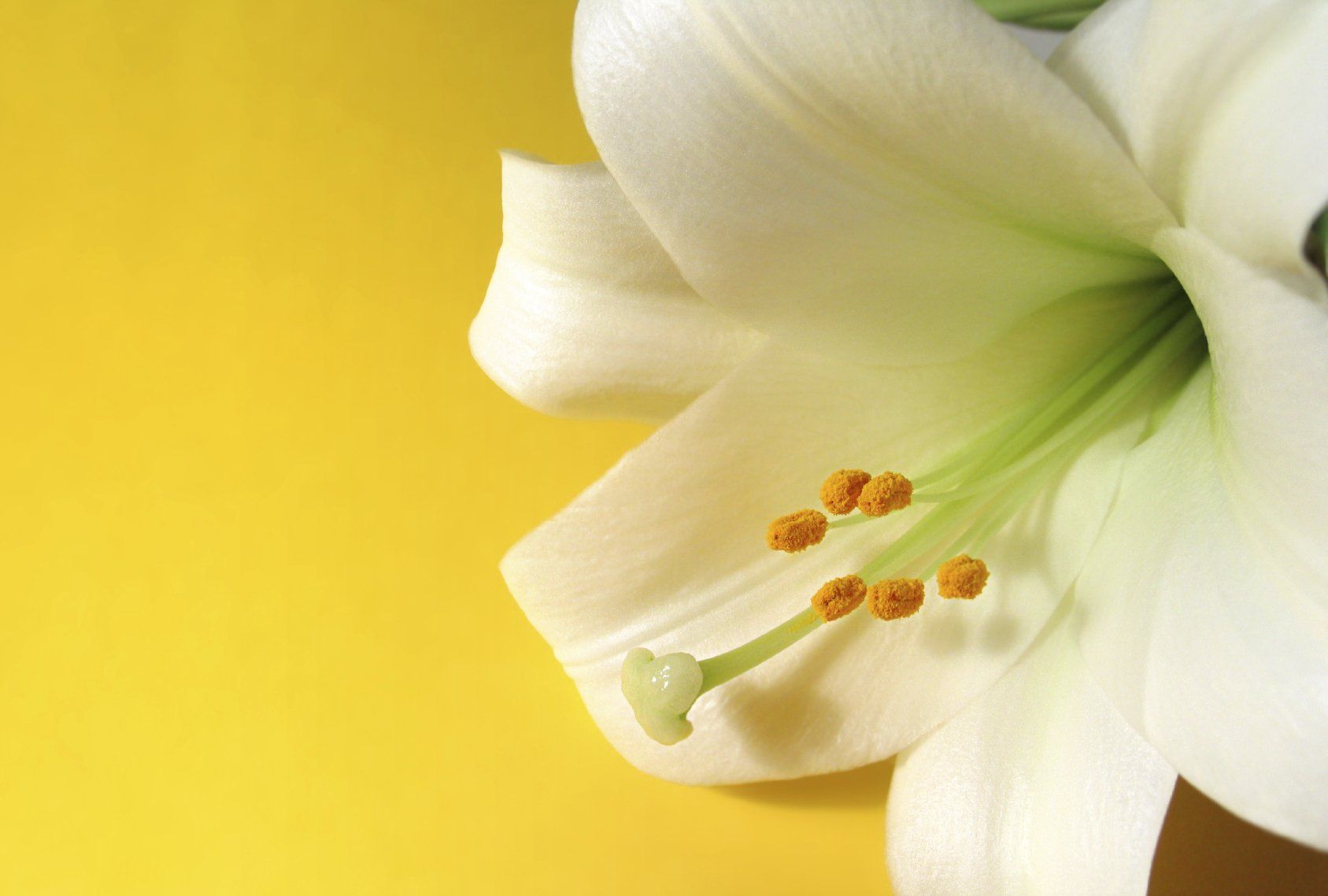
Peace lilies are highly effective at trapping dust on their broad leaves. Regular misting enhances their dust-collecting ability, and they thrive in indirect sunlight, making them ideal for indoor spaces. Fresh flowers may bring soft, natural beauty into a home, but peace lilies go one step further by combining style with function. They have the ability to absorb mould spores as well as filtering other pollutants such as formaldehyde, xylene, and toluene from the air.
Spider Plant (Chlorophytum Comosum)
Spider plants feature long, arched leaves with tiny pores that can absorb dust and airborne particles. They are easy to grow, very resilient, and can also remove formaldehyde and xylene from indoor air. Place them in kitchens, living rooms and offices where these pollutants are more likely to be found.
Rubber Plant (Ficus Elastica)
With large, waxy leaves, rubber plants efficiently capture dust and particulate matter. They also filter indoor pollutants such as formaldehyde, and the best thing is, they are relatively low-maintenance. Some may be toxic to pets, so ensure you check they are suitable for your home beforehand.
Bamboo Palm (Chamaedorea Seifrizii)
Bamboo palms are excellent for humid environments, but they can grow up to 3 metres tall, so may not be suitable for every home. They remove dust effectively while also filtering xylene, formaldehyde, and ammonia, contributing to cleaner indoor air.
ZZ Plant (Zamioculcas Zamiifolia)
ZZ plants have glossy leaves that trap dust and remove toxins like toluene, xylene, and benzene. It’s an ideal choice for those who are new to houseplants or who may not have a lot of time as they are low-maintenance and suitable for low-light conditions, making them a perfect choice for busy households.
How you can help them to help you: -
- Wipe leaves regularly with a damp cloth or mist them to maintain their dust-trapping efficiency.
- Many dust-absorbing plants perform better in slightly humid conditions, which helps particles settle on leaves.
- Using a mix of broad-leafed and textured plants increases the overall surface area for dust capture.
- Position plants in areas with higher dust accumulation, such as near electronics or windows.
By incorporating these houseplants, you can naturally reduce dust, improve air quality, and add aesthetic value to your home whilst also benefiting your respiratory health.
You're welcome!